



About Square
Square Co., Ltd. (株式会社スクウェア Kabushiki-gaisha Sukuwea) was a Japanese video game company founded in September 1986 by Masafumi Miyamoto. It merged with Enix in 2003 and became Square Enix. The company also used SquareSoft as a brand name to refer to their games, and the term is occasionally used to refer to the company itself. In addition, "Squaresoft, Inc" was the name of the company's American arm before the merger, after which it was renamed to "Square Enix, Inc".
Developed
6
The WonderSwan release of Final Fantasy is a remake of the original game, using higher quality MIDI, cleaner 32-bit graphics and featuring new scenes that further expand the details of the story.
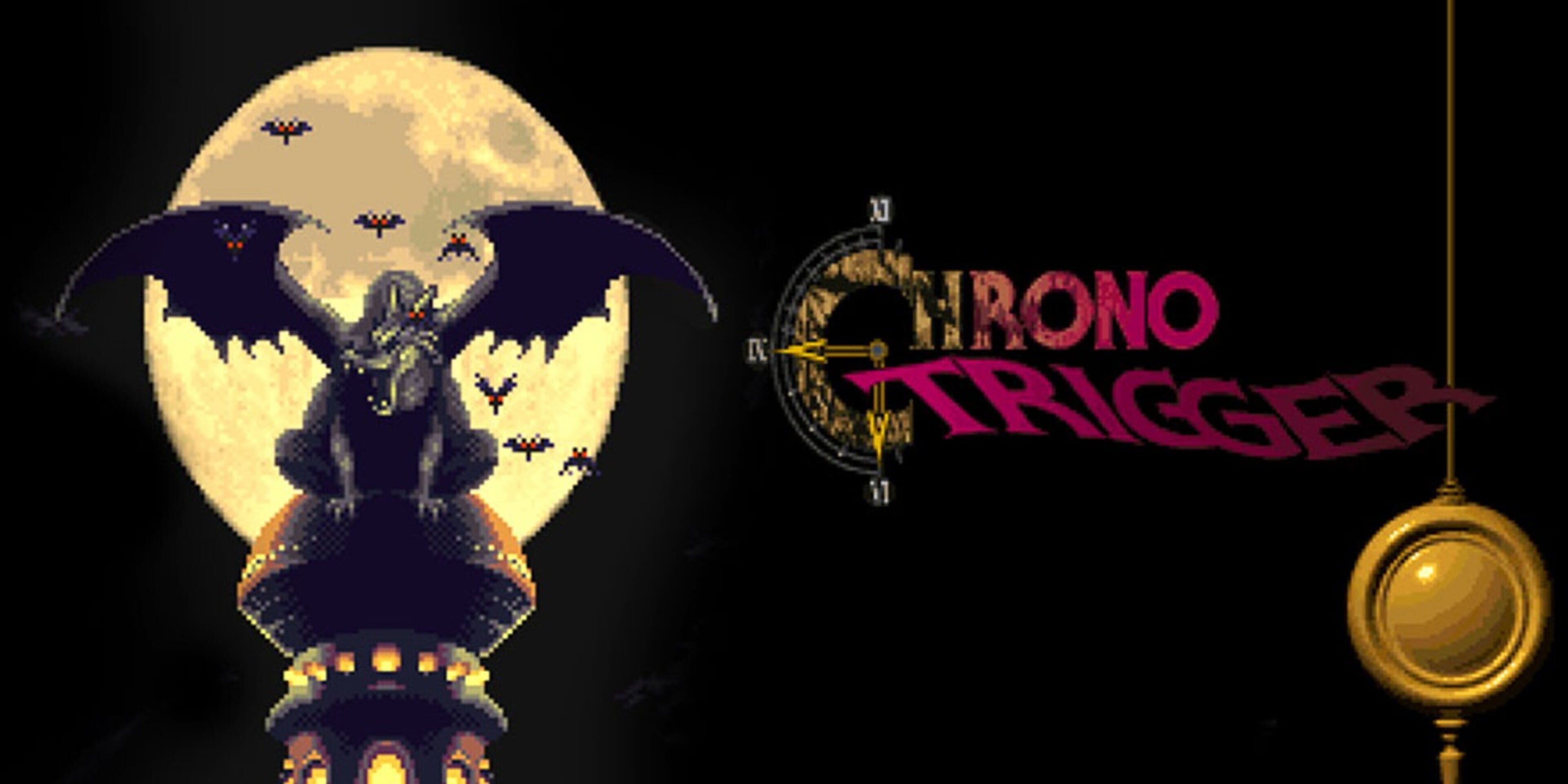
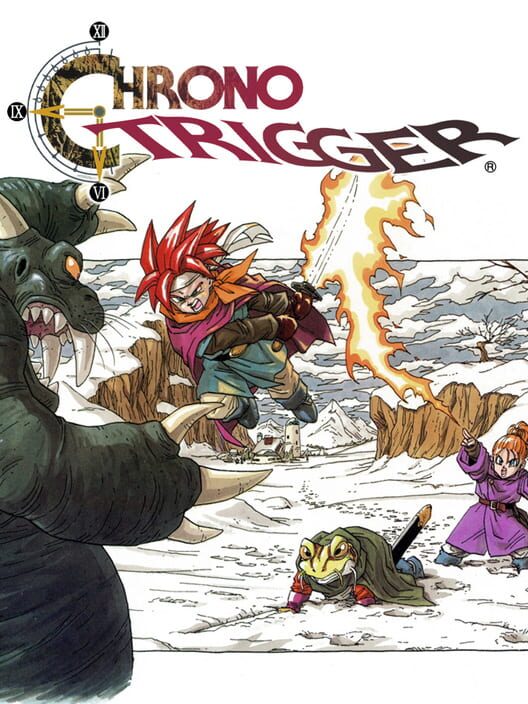
In this turn-based Japanese RPG, young Crono must travel through time through a misfunctioning teleporter to rescue his misfortunate companion and take part in an intricate web of past and present perils. The adventure that ensues soon unveils an evil force set to destroy the world, triggering Crono's race against time to change the course of history and bring about a brighter future.
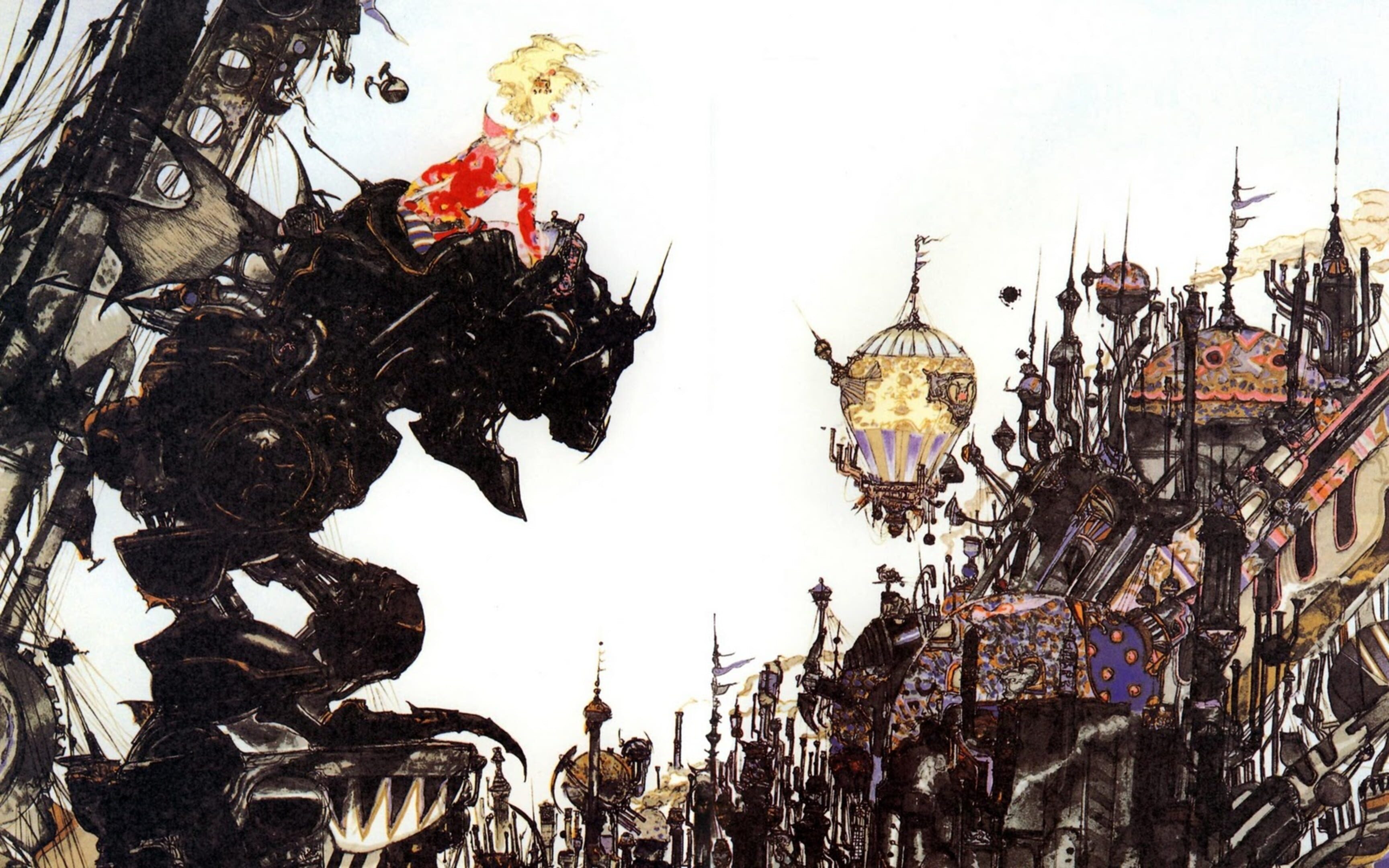
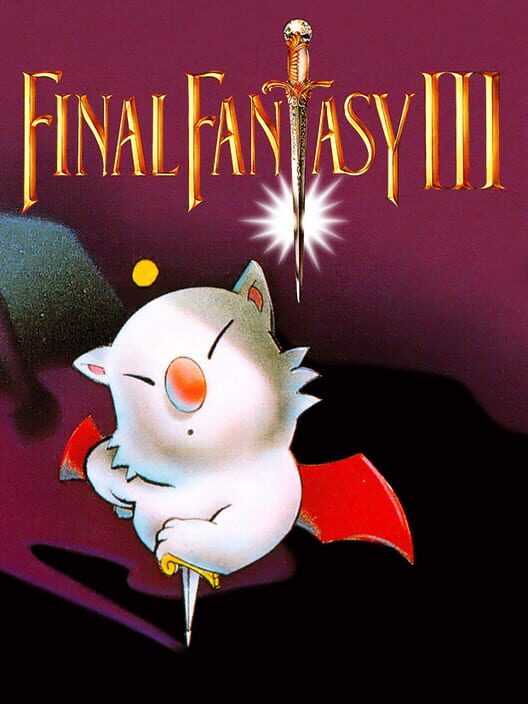
Final Fantasy VI is the sixth main installment in the Final Fantasy series, developed and published by Square. It was the final title in the series to feature two-dimensional graphics, and the first story that did not revolve around crystals. The game gives players up to fourteen playable characters, the largest cast in the series, and features the Active Time Battle pseudo-turn based menu command system. A party can consist of up to four characters, though some events require the player to assemble three different parties of up to four and switch between them. Each character has a unique command ability, such as Terra's Trance, Locke's Steal, Edgar's Tools or Sabin's Blitz, and can also learn Magic spells from earning AP from battles with magicite equipped. Each character's rare Desperation Attack will randomly activate after using the Attack command when at critical health.
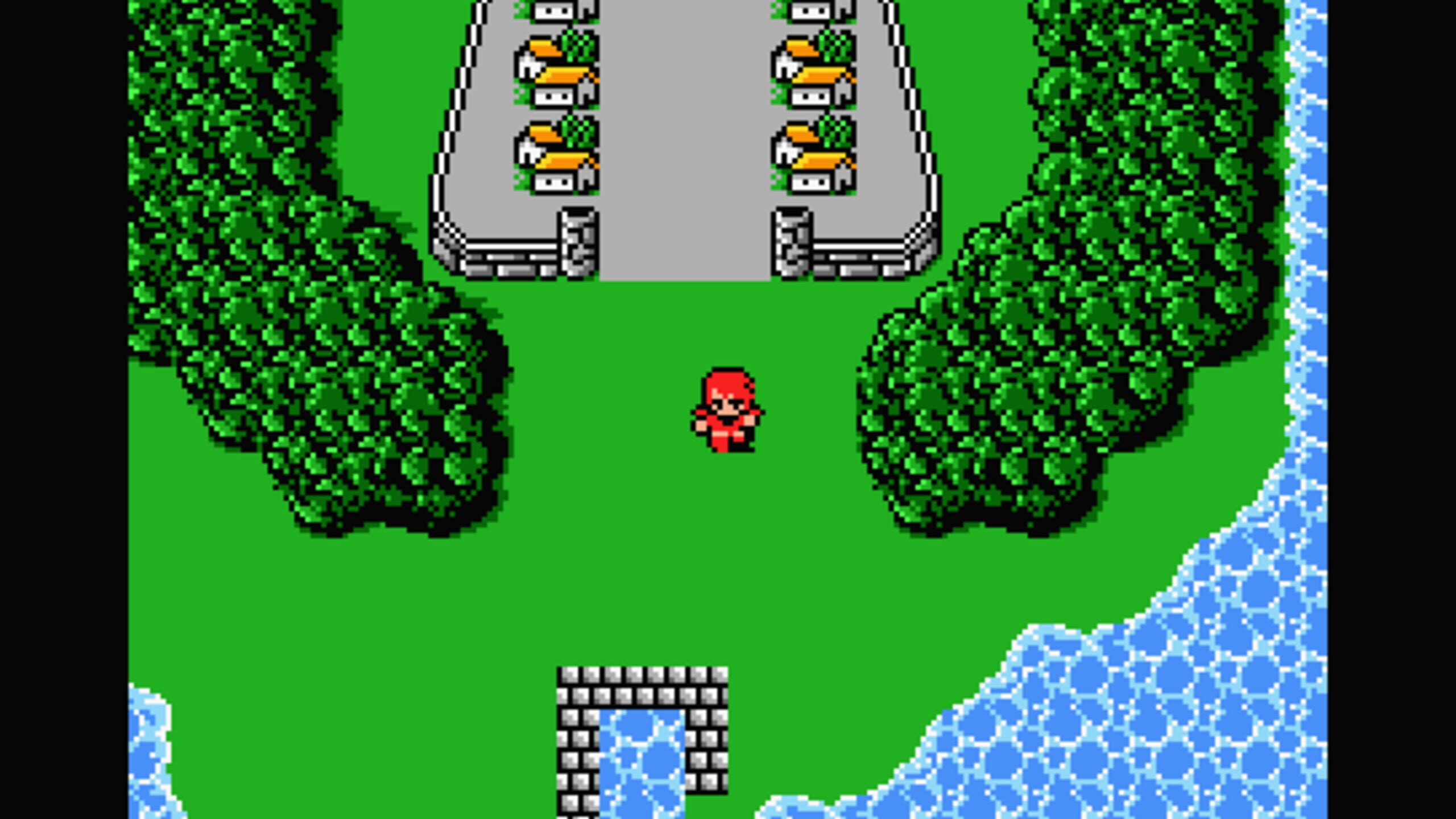
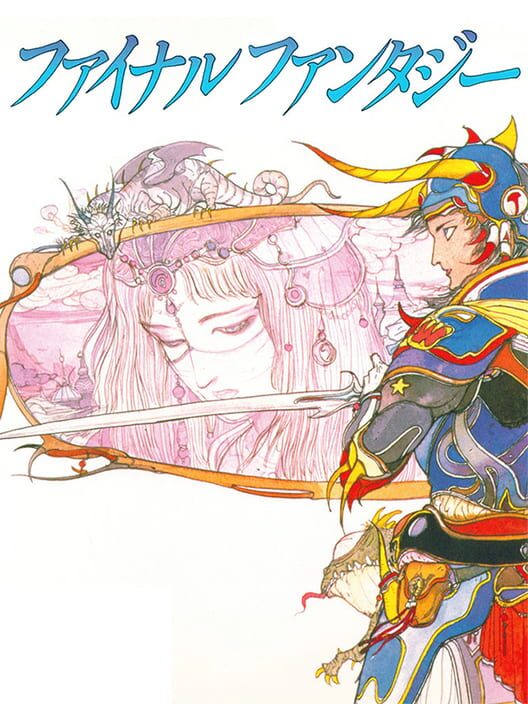
The MSX2 home computer port of Square's classic FINAL FANTASY added new and improved graphics, an updated soundtrack and several bug fixes.
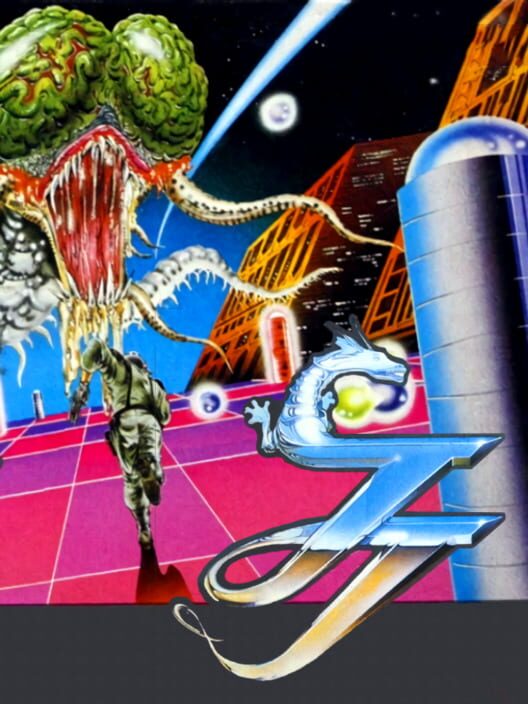
JJ is an action game developed and published by Square for the Famicom in 1987. In English, it is sometimes referred to by its long form, Jumpin' Jack, or by its subtitle, Tobidase Daisakusen Part II. The game was only released in Japan. The sequel to Tobidase Daisakusen (known in North America as 3-D WorldRunner), JJ is a typical scrolling shooter, but it incorporates a third-person view, where the camera angle is positioned behind the main character. As in the previous title, the main character Jack must travel through various worlds, armed with his laser cannon and jumping ability, to defeat the serpentbeasts who have overrun the planets. JJ was the last game by Square to utilize the "3D mode" and 3D glasses, and was Square's last work before the inception of the popular Final Fantasy franchise. The soundtrack of JJ consists of eight tracks, and all of them are either remixed or reused from the game's prequel, 3-D WorldRunner. The game was scored by Nobuo Uematsu, and is Uematsu's 16th work of video game music composition.
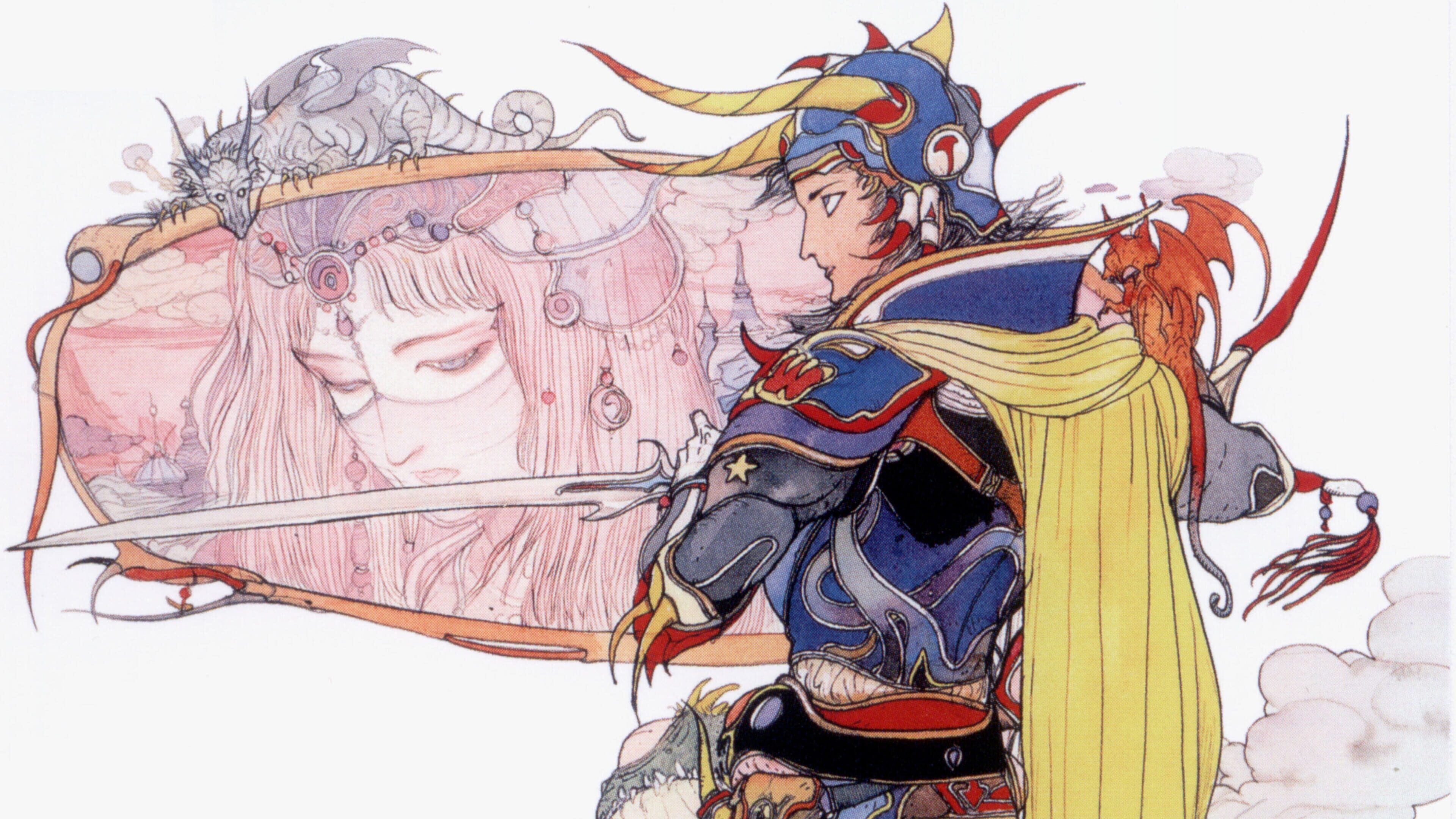
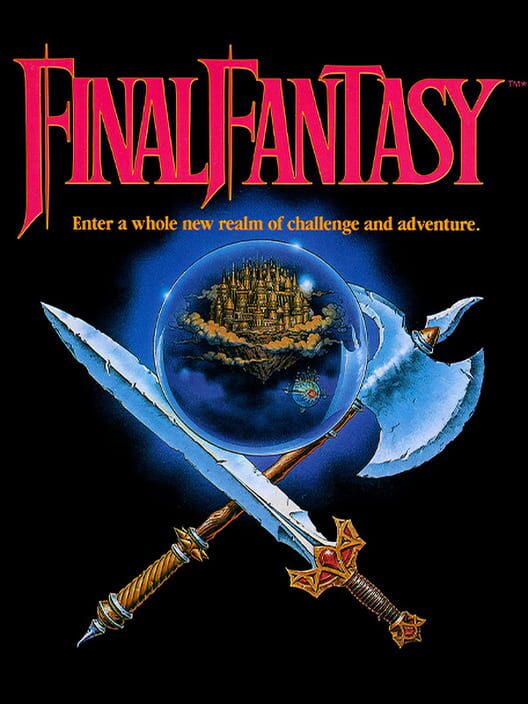
Final Fantasy, also known as FFI in re-releases, is the first role-playing game title in Square's flagship Final Fantasy series. The game puts players in control of four characters known as the Warriors of Light, and begins by asking the player to select the classes and names of each. The Warriors of Light can traverse the maps of dungeons and towns, which are connected by a world map, and will run into random encounters with enemies or fight bosses.
Published
10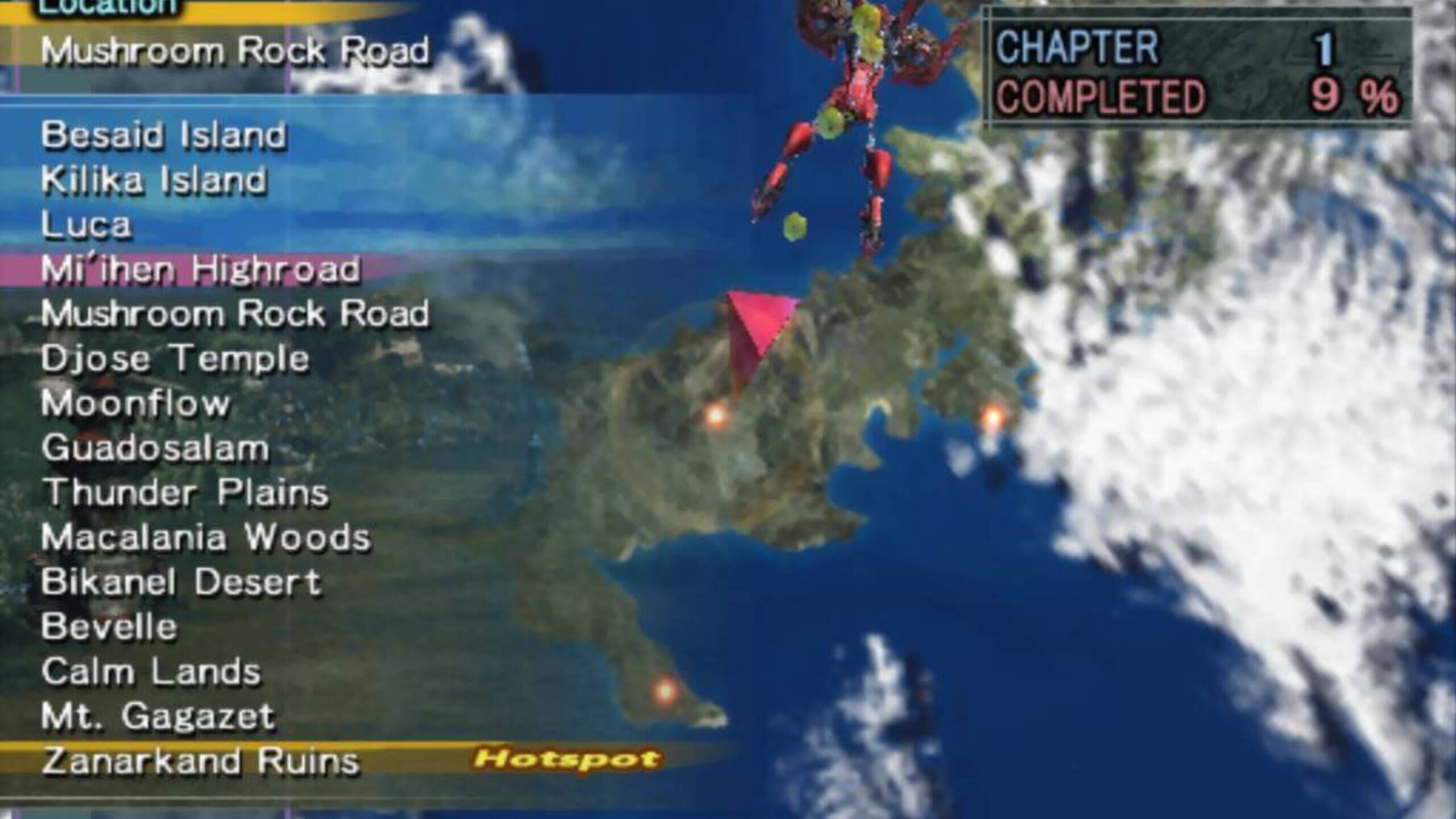
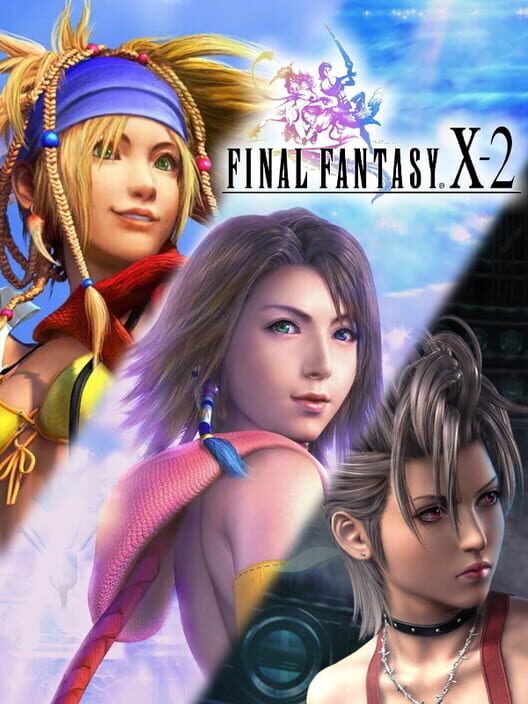
Final Fantasy X-2 is the direct sequel to Final Fantasy X, developed and published by Square Enix. It was the first direct sequel game in the Final Fantasy series and the first to feature an all-female playable cast. It also returned to the job system not seen in the main series since Final Fantasy V. The game uses a character class system where the equipped dressphere determines her abilities and stats. Party members can switch to any dressphere in their Garment Grid to swap to new skills and adapt to different opponents. It makes use of the Active Time Battle system that was absent from Final Fantasy X. The party has access to all locations early on and can visit them through the Celsius, complete several minigames and sidequests in a chapter before progressing through the story to the next one.
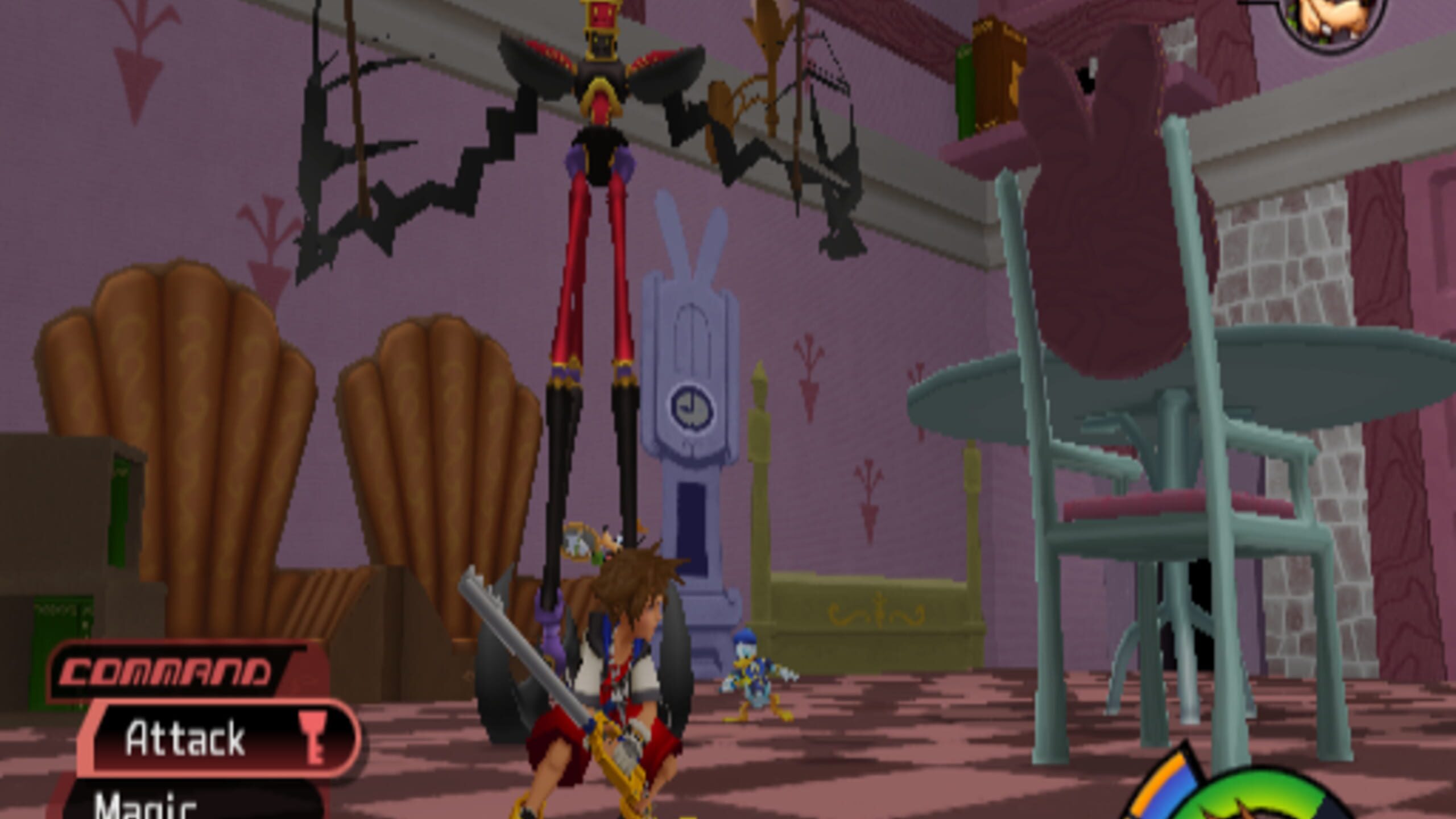
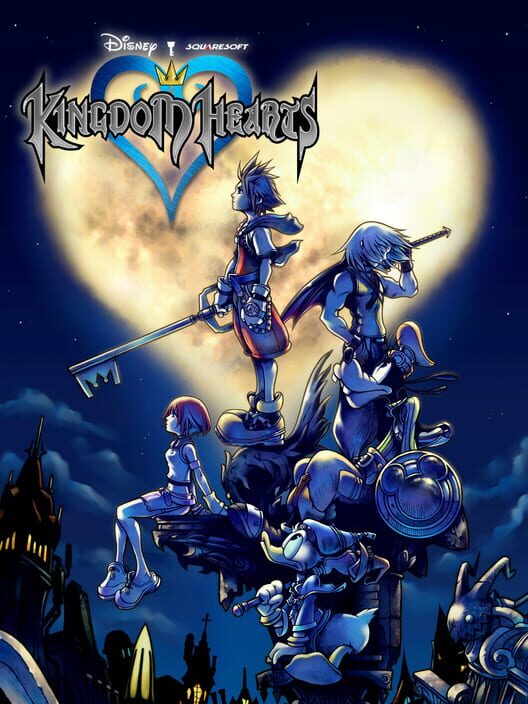
Kingdom Hearts is an action role-playing game developed and published by Squaresoft for the PlayStation 2. It is the result of a collaboration between Square and The Walt Disney Company. The game combines characters and settings from Disney's animated features with those from the Final Fantasy series, developed by Square. Kingdom Hearts was a departure from Square's standard role-playing games by introducing a substantial action-adventure element. In addition, it has an all-star voice cast which included many of the Disney characters' official voice actors. Kingdom Hearts was longtime Square character designer Tetsuya Nomura's first time in a directorial position. The game uses an experience based progression system, with experience gained by defeating foes. Experience gained rises in relation to the strength of the foe, and is consistent for each enemy over the course of the game. Levels are gained with experience, and provide increases to stat attributes in strength, defence, magic, hit points, magic points and ability points, with a new, predetermined ability unlocked approximately every four levels.
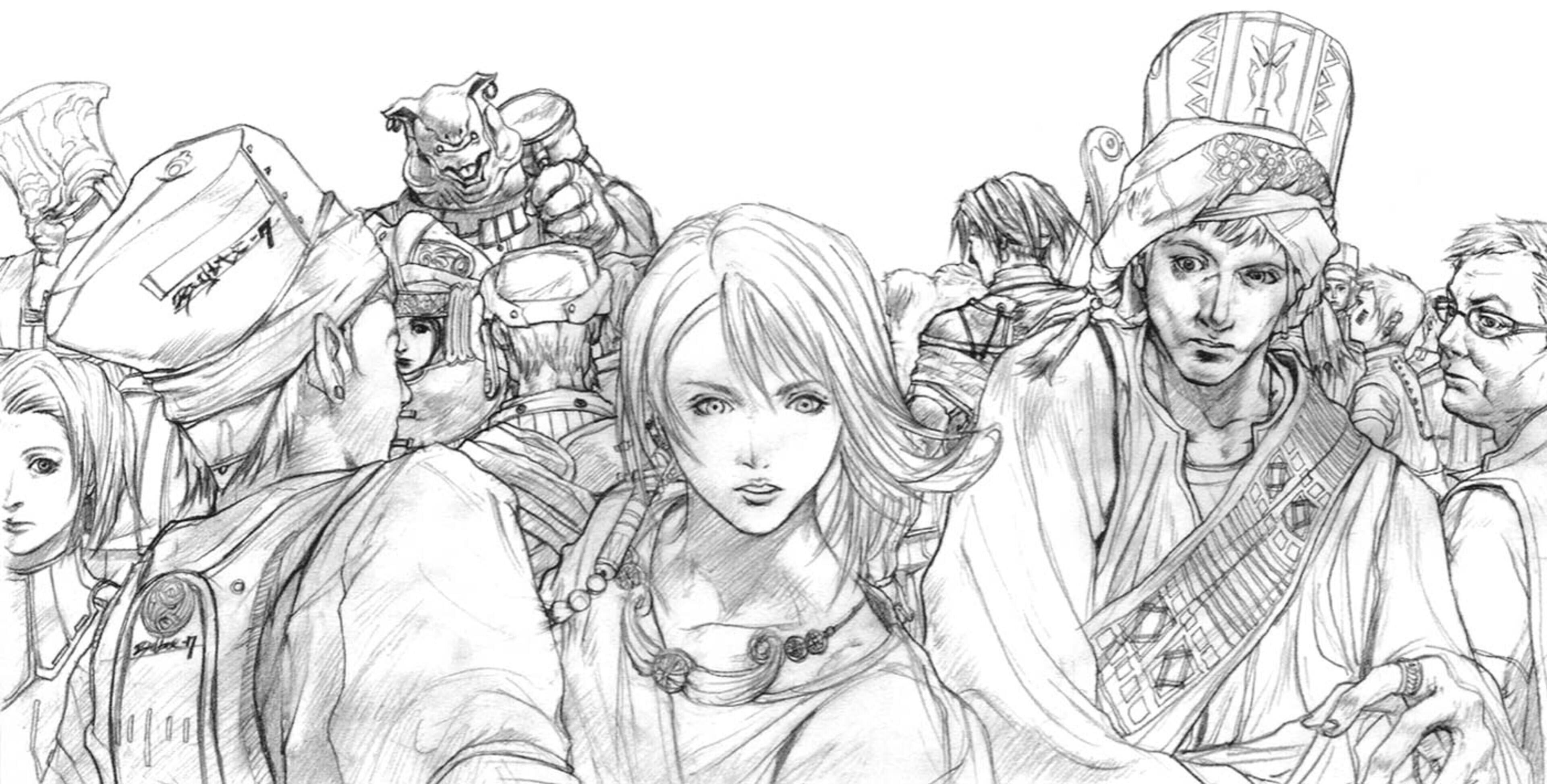
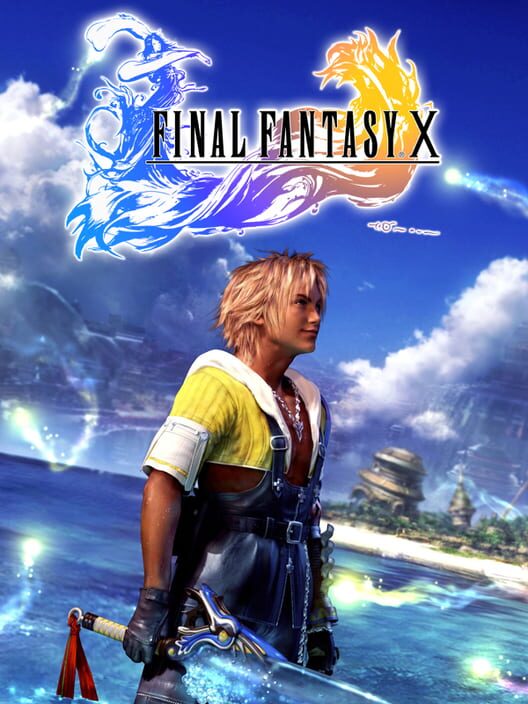
Final Fantasy X is the tenth main installment in the FF series and the first title released on sixth-generation consoles. It was also the first game to feature fully three-dimensional areas rather than including pre-rendered backdrops, and the first to include voice acting. Final Fantasy X tells the story of a star blitzball player, Tidus, who journeys with a young and beautiful summoner named Yuna on her quest to save the world of Spira from an endless cycle of destruction wrought by the colossal menace Sin.
The WonderSwan release of Final Fantasy is a remake of the original game, using higher quality MIDI, cleaner 32-bit graphics and featuring new scenes that further expand the details of the story.
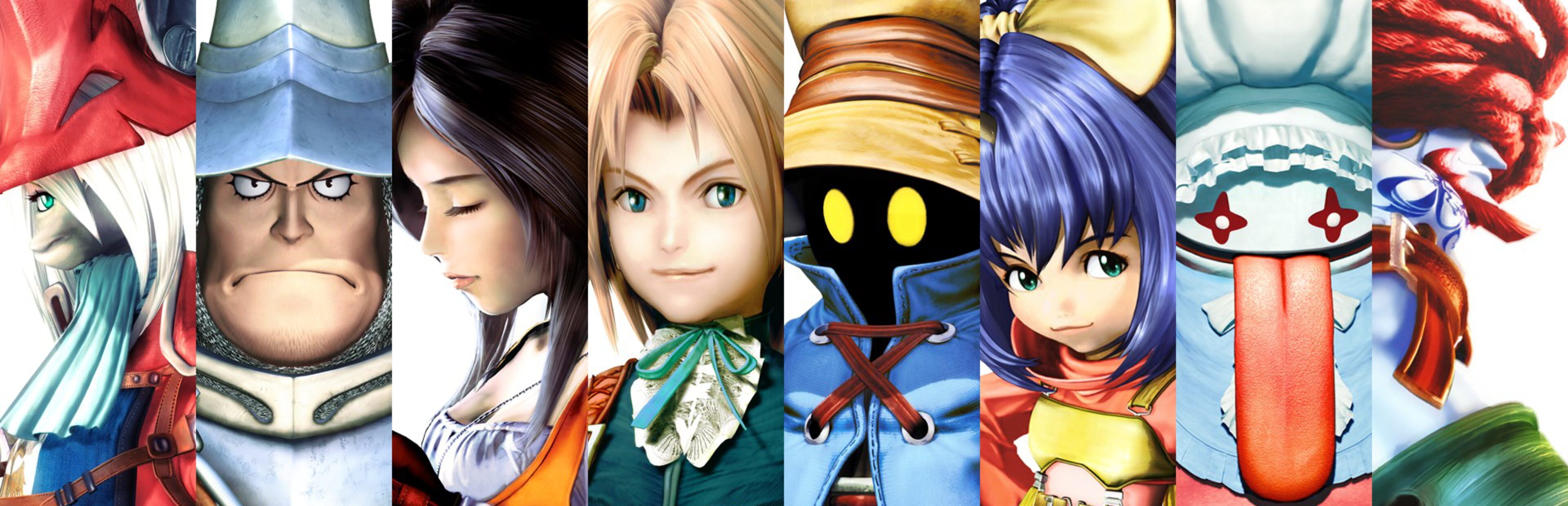
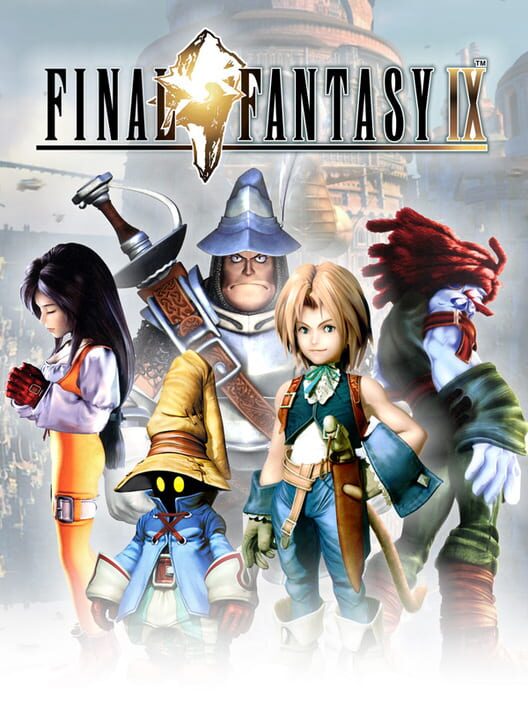
Final Fantasy IX is the ninth main installment in the FF series. The title is a return to the series's roots, with gameplay features and references to the past games featuring throughout, as well as a medieval fantasy setting and cartoonish art style as a break from the sci-fi slant style of Final Fantasy VII and Final Fantasy VIII.
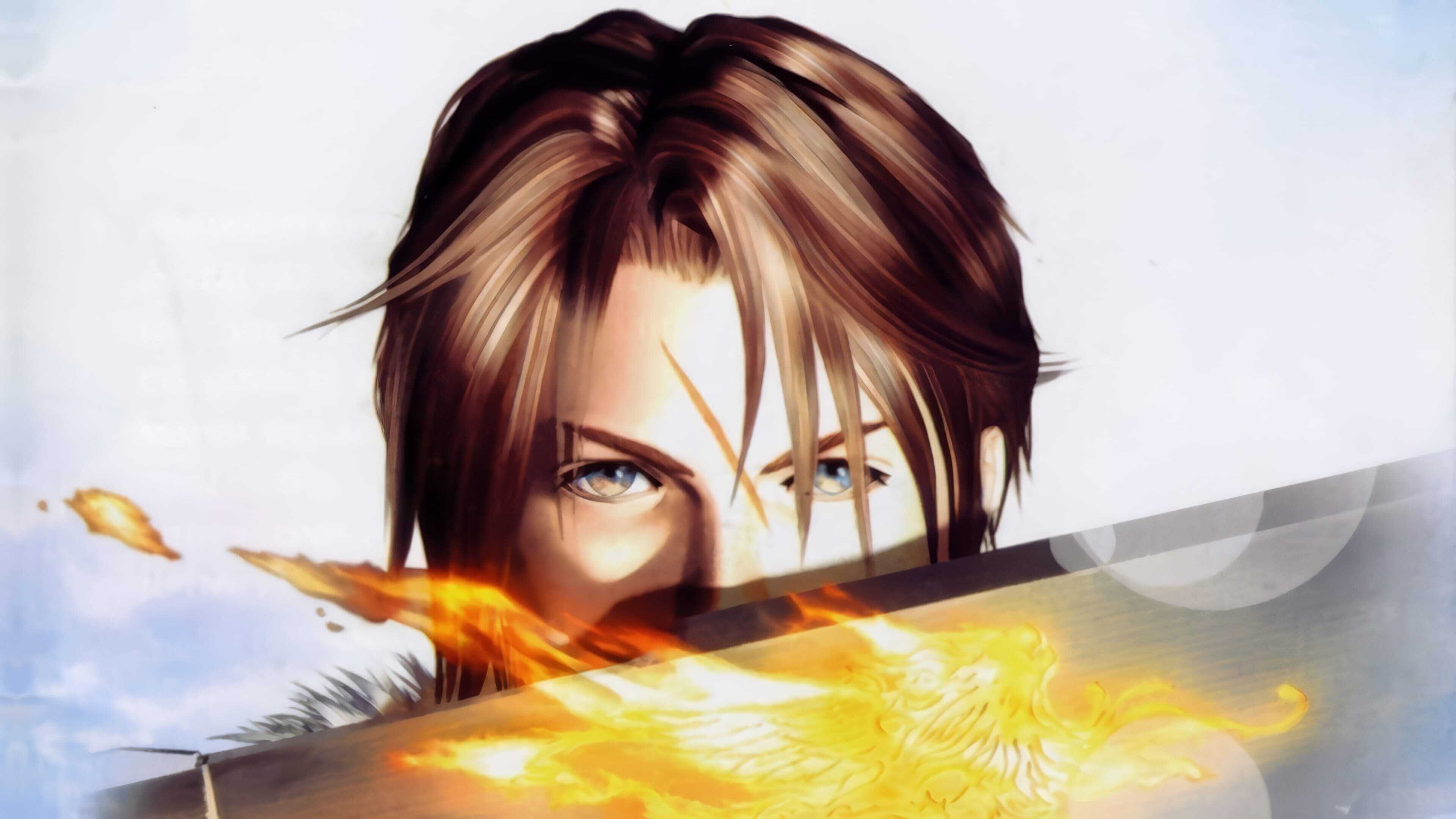

Final Fantasy VIII is the eighth main installment in the Final Fantasy series. The gameplay makes a departure from many series standards. While it still uses the Active Time Battle system, it deviates from the series' traditional means of boosting a character's power via leveling, although levels are not completely abandoned as they were in Final Fantasy II. In addition, it does not have a Magic Point-based system for spell-casting. Instead, magic is collected, drawn, and created from items, and is used to power up the characters via the junction system.
In this turn-based Japanese RPG, young Crono must travel through time through a misfunctioning teleporter to rescue his misfortunate companion and take part in an intricate web of past and present perils. The adventure that ensues soon unveils an evil force set to destroy the world, triggering Crono's race against time to change the course of history and bring about a brighter future.
Final Fantasy VI is the sixth main installment in the Final Fantasy series, developed and published by Square. It was the final title in the series to feature two-dimensional graphics, and the first story that did not revolve around crystals. The game gives players up to fourteen playable characters, the largest cast in the series, and features the Active Time Battle pseudo-turn based menu command system. A party can consist of up to four characters, though some events require the player to assemble three different parties of up to four and switch between them. Each character has a unique command ability, such as Terra's Trance, Locke's Steal, Edgar's Tools or Sabin's Blitz, and can also learn Magic spells from earning AP from battles with magicite equipped. Each character's rare Desperation Attack will randomly activate after using the Attack command when at critical health.
JJ is an action game developed and published by Square for the Famicom in 1987. In English, it is sometimes referred to by its long form, Jumpin' Jack, or by its subtitle, Tobidase Daisakusen Part II. The game was only released in Japan. The sequel to Tobidase Daisakusen (known in North America as 3-D WorldRunner), JJ is a typical scrolling shooter, but it incorporates a third-person view, where the camera angle is positioned behind the main character. As in the previous title, the main character Jack must travel through various worlds, armed with his laser cannon and jumping ability, to defeat the serpentbeasts who have overrun the planets. JJ was the last game by Square to utilize the "3D mode" and 3D glasses, and was Square's last work before the inception of the popular Final Fantasy franchise. The soundtrack of JJ consists of eight tracks, and all of them are either remixed or reused from the game's prequel, 3-D WorldRunner. The game was scored by Nobuo Uematsu, and is Uematsu's 16th work of video game music composition.
Final Fantasy, also known as FFI in re-releases, is the first role-playing game title in Square's flagship Final Fantasy series. The game puts players in control of four characters known as the Warriors of Light, and begins by asking the player to select the classes and names of each. The Warriors of Light can traverse the maps of dungeons and towns, which are connected by a world map, and will run into random encounters with enemies or fight bosses.